Oltepesi · Kajiado County · Rift Valley · Kenya−1.5328° · 36.4690°
Where constraint becomes abundance
AridSemi-aridIrrigatedFertile
Sustainable agriculture, precision technology, and community empowerment — transforming Kenya's semi-arid landscape into a global model for resilient farming.
LocationOltepesi, Kajiado County
OrganisationOltepesi Semi-Arid Farming Research & Development
VisitsBy appointment
Enquiries+254 796128293
Our Mission
"To create a positive impact on people and the environment in Oltepesi's semi-arid region — through practical research, community empowerment, and international collaboration."
About Us
A community-based organisation in the heart of Oltepesi
Who we are, where we work, and the semi-arid challenges that drive our research in Kajiado County.
Discover →
Research
Four pillars of dryland science
Agricultural practices, precision technology, community empowerment, and environmental stewardship.
Explore →
Products
From our land to your table
Oltepesi Forest Honey, fresh produce, juices, and nursery seedlings — all grown and harvested at the farm.
Shop products →
Impact
Better farming changes everything
Measurable outcomes in economic empowerment, food security, climate resilience, and water management.
See numbers →
Gallery
Life and work at the OSAFRAD farm
Photos from the field — irrigation, harvests, nurseries, and the landscapes of Oltepesi.
View photos →
Get Involved
Oltepesi as an international model
We invite sponsors, donors, and partners to join hands and amplify this work globally.
Join us →
Where We Work
A landscape built for restoration, not retreat
Oltepesi sits in Kenya's semi-arid belt — land long written off as unproductive. We see it differently: as proof that the right methods can turn constraint into yield.
3.2×
Average yield increase with OSAFRAD methods
30
Acres under active monitoring and research
200+
Smallholder farmers trained and supported
12
Crop varieties under active field trial
Discover Our Approach
Four pillars behind every harvest
Agricultural Practices
Drought-resistant crops, drip irrigation, and soil conservation built for dryland conditions.
Technology as a Catalyst
Precision irrigation, remote sensing, and mobile advisory tools for smallholder farmers.
Community & Gender Empowerment
Training programs, community seed banks, and youth-led nursery rotations.
Environmental Stewardship
Agroforestry, beekeeping, rainwater harvesting, and biodiversity conservation.
From the Field
What's happening at OSAFRAD right now
Nursery
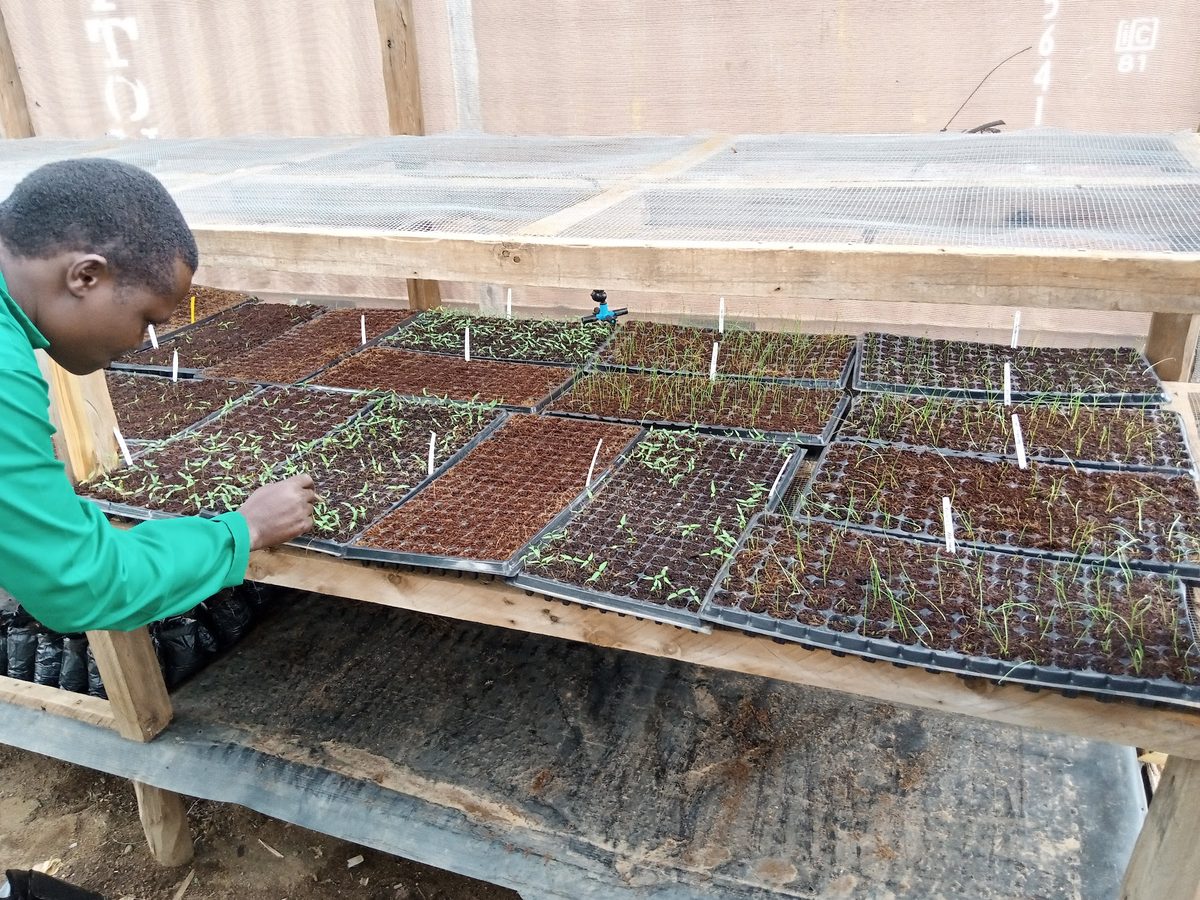
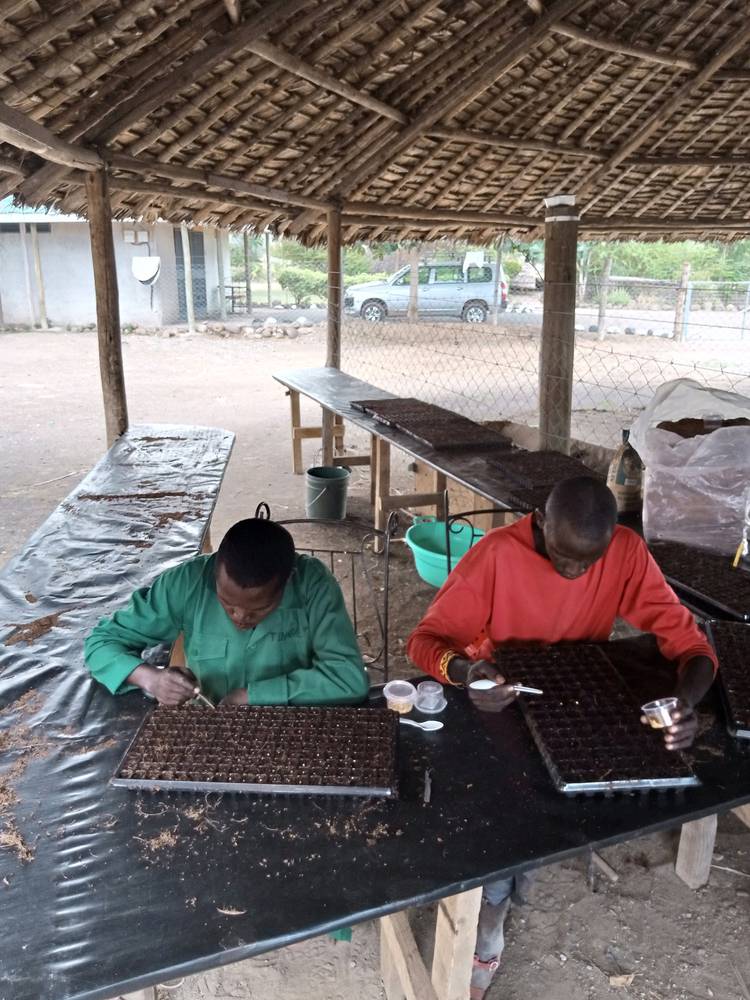
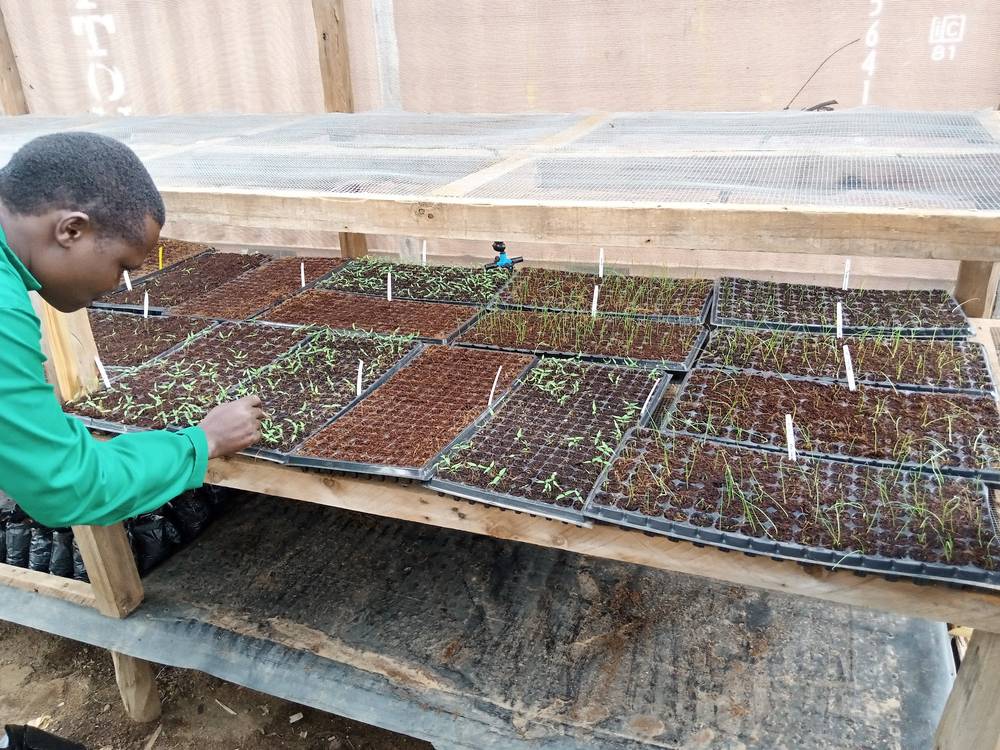
Seedling trays are full this season — onion, garlic, and vegetable starts are being hardened off under shade netting ahead of the next planting cycle.
Technology
Drone-based spraying trials are underway in the maize blocks, part of our push to bring precision agriculture to smallholder-scale farming.
Harvest
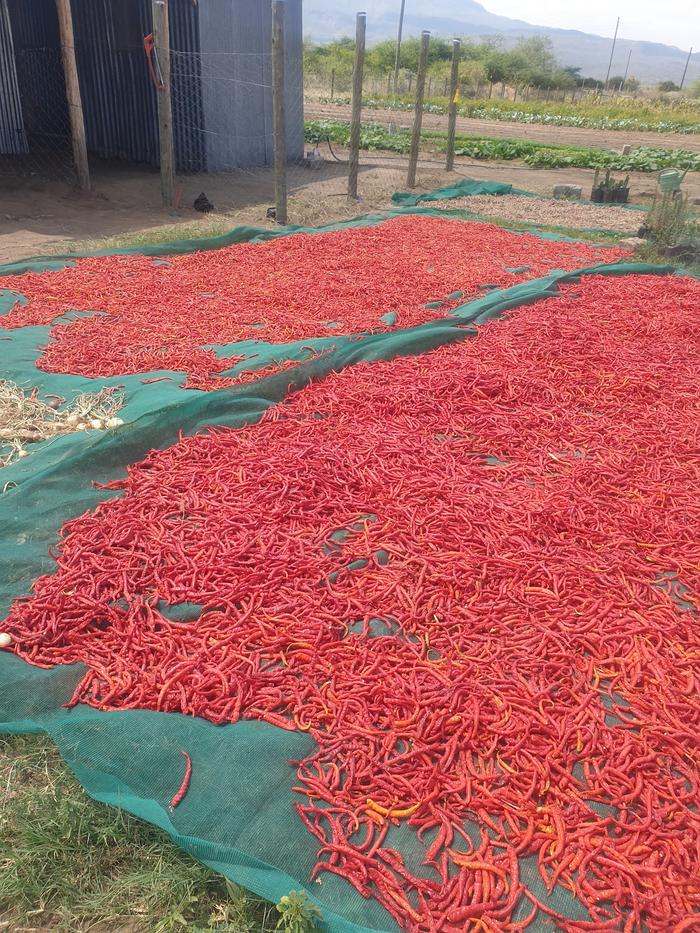
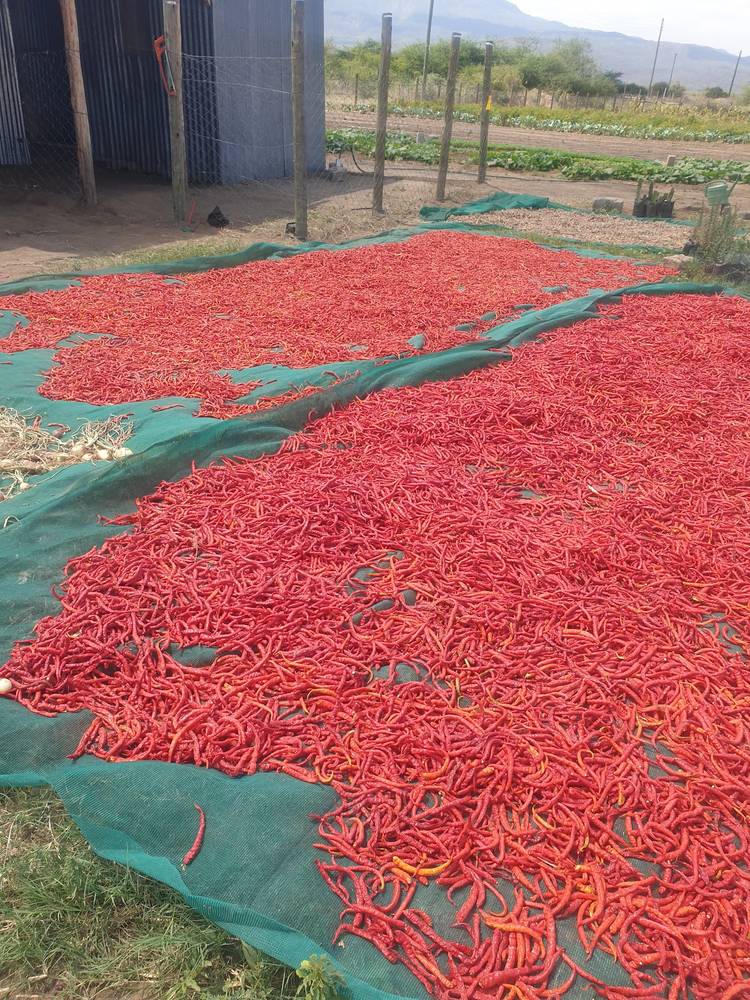
This season's chilli crop is out on the drying lines — bulk sun-dried stock will be available once curing is complete.
Stay Tuned With OSAFRAD
Sign up for seasonal research notes, harvest updates, and ways to get involved.
The land is ready. Are you?
Whether you're a researcher, NGO, equipment partner, or funder — there is a place for your work at OSAFRAD.
About OSAFRAD
Research that starts in the field, not the lab
OSAFRAD — Oltepesi Semi-Arid Farming Research and Development — is a Community Based Organisation (CBO) founded on a single conviction: marginal land is not wasted land — it is an engineering problem waiting for the right tools and knowledge.
Who We Are
An independent CBO in Oltepesi's semi-arid heartland
OSAFRAD is based in Tinga town, Oltepesi, Kajiado County. We work alongside smallholder farmers in Kenya's semi-arid belt — developing techniques for dryland cropping, micro-irrigation, and soil restoration that hold up under real conditions and resource constraints.
We test what genuinely works in Oltepesi's specific soils, climate, and social context — in close collaboration with local farming communities.
Community Based OrganisationTinga Town, OltepesiOpen 24 hoursKajiado County~1,000m a.s.l.P.O Box 15923-00509, Nairobi
−1.5328°S · 36.4690°E
3.2×
Average yield increase with OSAFRAD micro-irrigation and soil restoration protocols
Our Team
The people behind the work
OSAFRAD is run by a dedicated team of agronomists, community organisers, and field researchers committed to sustainable farming in Kenya's dryland regions.
Team Member
Field Operations
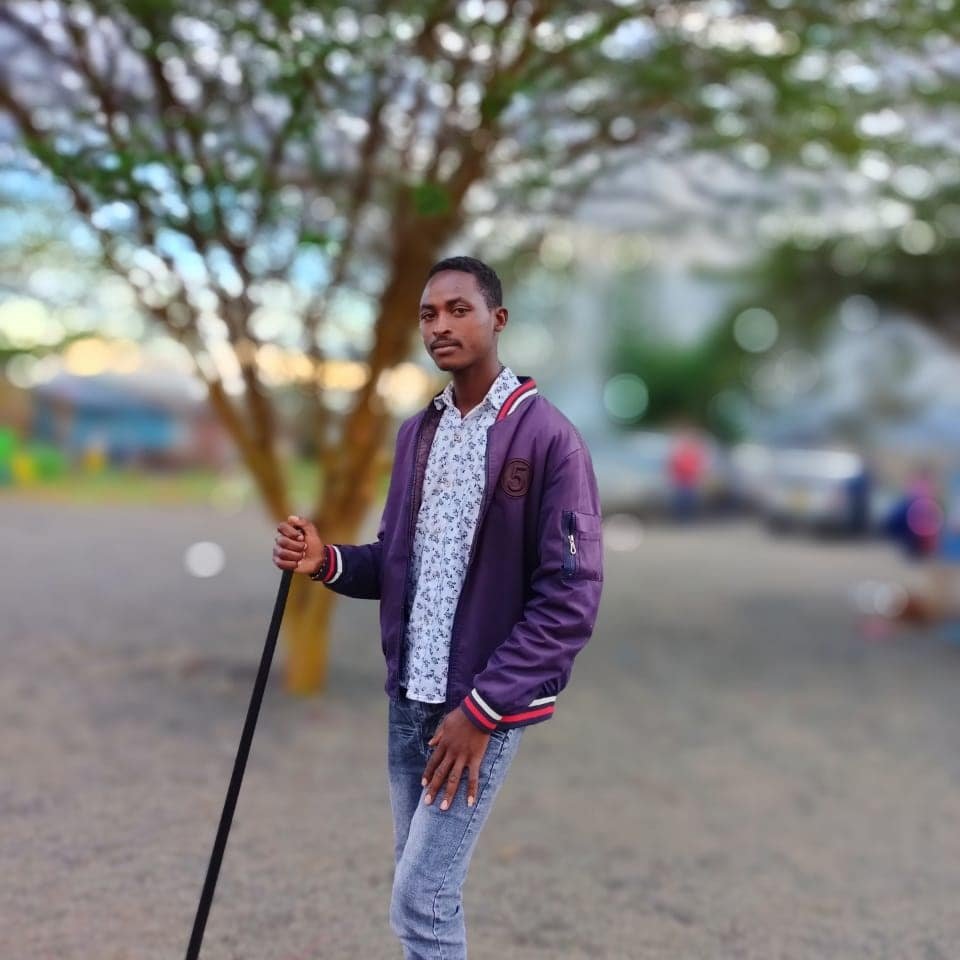
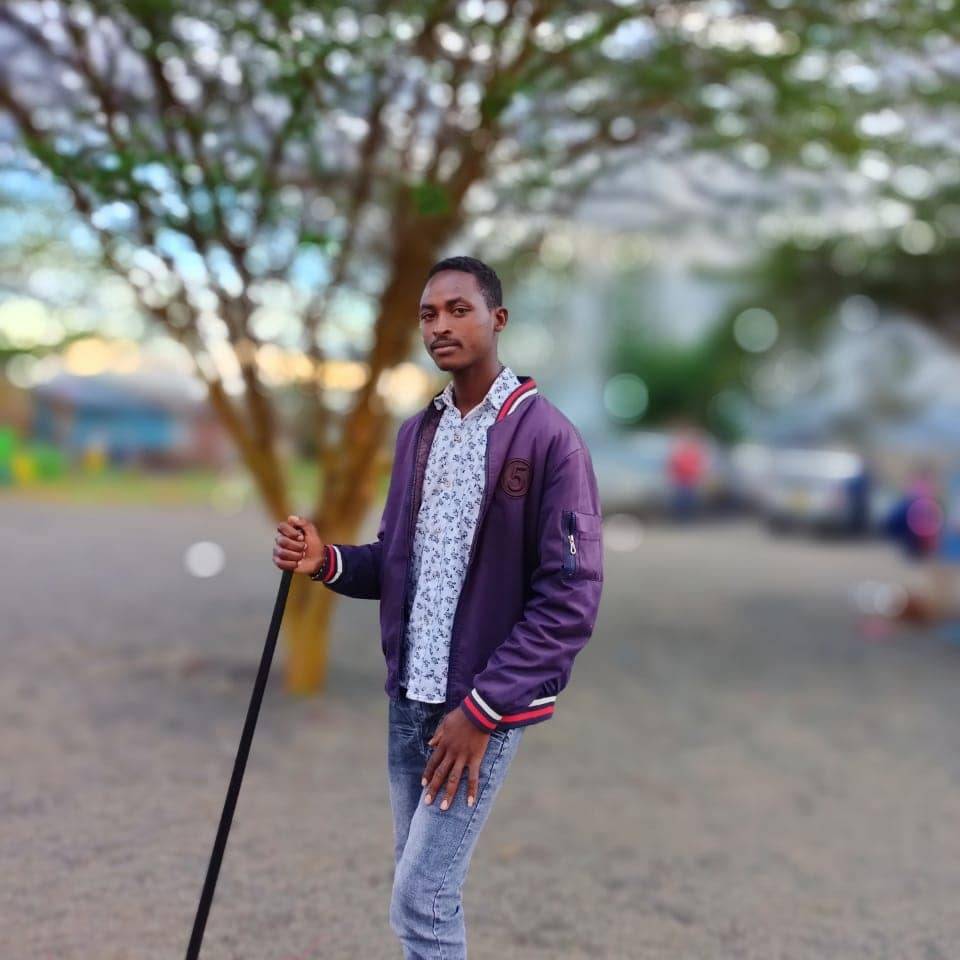
Part of OSAFRAD's on-the-ground team in Oltepesi. Name and full role to be confirmed for the final site.
+
We are growing
OSAFRAD is expanding its team. View open positions or reach out to explore how you can contribute.
+
Volunteer with us
Researchers, agronomists, and agricultural extension workers are welcome to collaborate on field projects.
The Context
Oltepesi's semi-arid challenges
The local community, predominantly marginalised, relies heavily on agriculture for their livelihoods. These are the realities we work with every day.
💧
Water Scarcity
Low and erratic rainfall makes reliable water access critical. Our elevated water tanks and drip irrigation systems deliver water precisely where it is needed.
🌍
Soil Degradation
Years of marginal farming have depleted organic matter. Reversing this requires targeted biochar, composting, and careful cover cropping interventions.
🌡
Climate Variability
Unpredictable weather makes planning difficult. Our precision agriculture tools and mobile advisory systems put data directly in farmers' hands.
👩🌾
Marginalised Communities
Women who bear much of the agricultural workload are central to our gender-inclusive training and economic empowerment programs.
🌾
Low Yields
Traditional varieties are poorly matched to Oltepesi's conditions. Trialling drought-resistant varieties — both heritage and improved — is core to our research.
🥗
Food Insecurity
When yields are unpredictable, malnutrition follows. Community seed banks and knowledge-sharing platforms help families achieve consistent harvests.
Our Approach
Three things that make the difference
01
Field-first research
Every intervention is tested on actual farms in Oltepesi's actual soils and climate — not in controlled conditions that don't reflect the reality of smallholder farming.
02
Technology as a tool, not the goal
We use precision agriculture, remote sensing, and mobile advisory apps where they genuinely improve outcomes — putting data in farmers' hands at the right moment.
03
Community as co-researchers
Local farmers don't just receive knowledge — they generate it. Our programs are built around participatory research and farmer-to-farmer knowledge networks.
Get to Know OSAFRAD
Sign up to meet the team and follow the research driving every harvest.
Interested in our work?
Explore the research programs or get in touch to discuss partnership opportunities.
Research Programs
Farming at the frontier of what's possible
Four interconnected programs addressing the full complexity of dryland farming — from seed to soil to community to climate.
Agri Practices
Best Agricultural Practices
Our research team collaborates with local farmers to identify techniques that enhance productivity sustainably. By promoting agroforestry, soil conservation, and organic farming, we empower farmers to adapt and improve yields season after season.
Drought-resistant and heritage crop varieties
Efficient drip irrigation techniques
Agroforestry integration
Organic matter and soil conservation
Seasonal planting calendar optimisation
In the Field Now
A drought-resistant sorghum variety is being trialled side by side with the standard maize line, under the same drip schedule, to compare yield and water use through this growing season.
Program 01
Seedlings & Crops
Program 02
Technology & Data
Technology
Technology as a Catalyst
Precision agriculture, remote sensing, and data analytics let us monitor soil moisture, predict weather patterns, and optimise resource allocation. Drip irrigation is installed with precision, delivering water exactly where it is needed. Mobile advisory apps provide real-time guidance on basic smartphones.
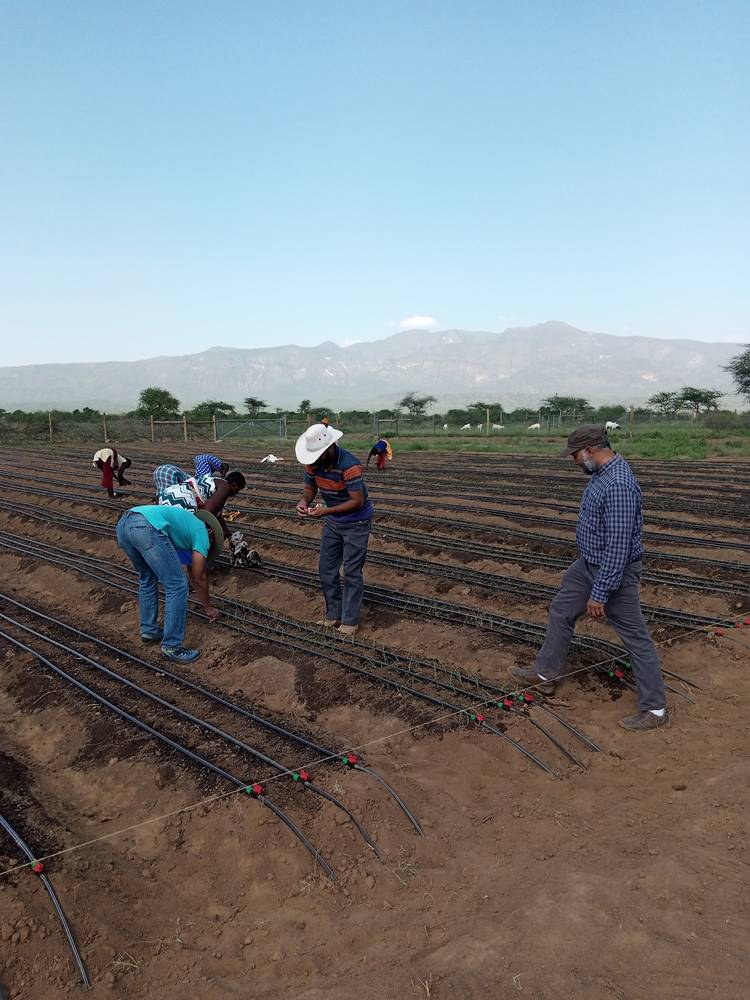
Precision drip irrigation installation
Remote sensing and satellite data
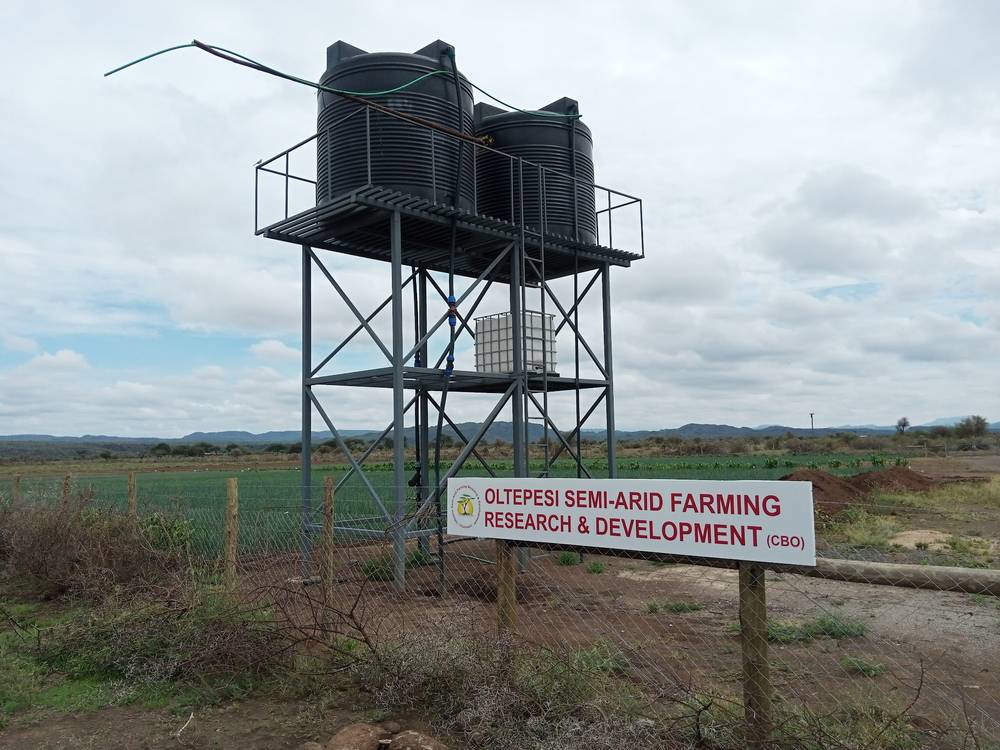
Elevated water tank gravity-feed systems
Soil moisture and weather monitoring
Mobile apps with real-time farmer advice
In the Field Now
Drone-based spraying is being trialled across the maize blocks, testing coverage and input savings against the usual hand-spraying routine.
Community
Community & Gender Empowerment
Improved yields mean better incomes — directly impacting families' access to education, healthcare, and essential services. Team members central to seed preparation, nursery work, and training programs make this possible season after season.
Gender-inclusive training programs
Community seed banks and variety preservation
Seed tray preparation and nursery management
Farmer-to-farmer extension networks
Youth engagement and next-generation programs
In the Field Now
A youth-led nursery rotation is underway, with trainees managing a dedicated block of seed trays from sowing through hardening-off as part of the next-generation programme.
Program 03
People & Community
Program 04
Land & Environment
Environment
Environmental Stewardship
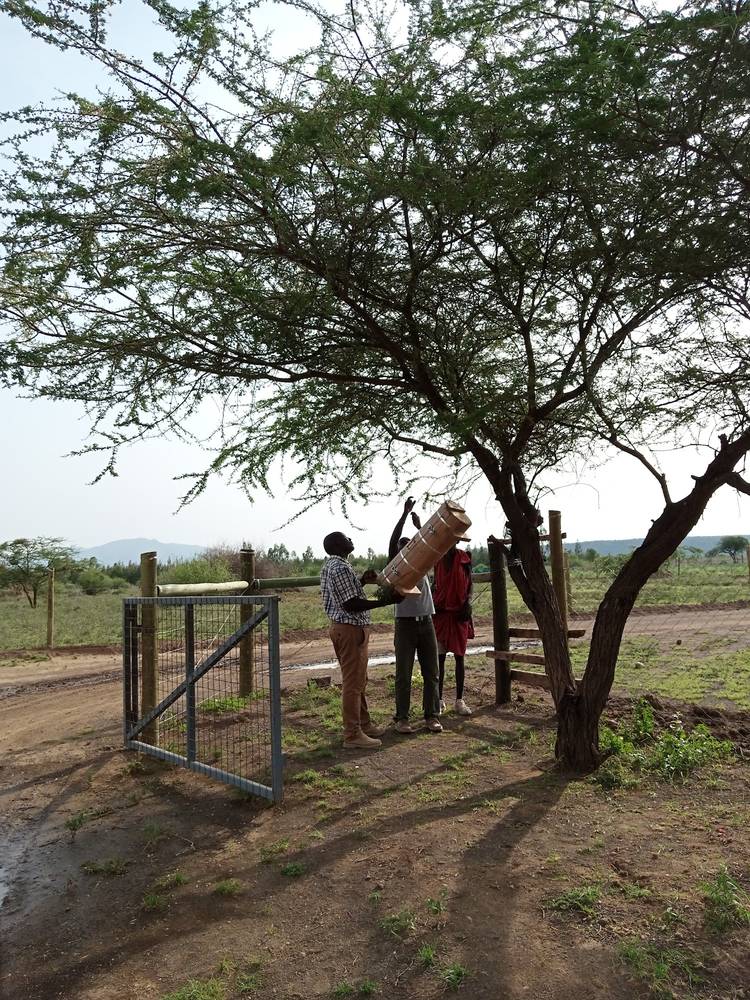
Our practices focus on carbon sequestration, greenhouse gas reduction, and climate-resilient crop development. Agroforestry — including beekeeping with log hives mounted in acacia trees — contributes to biodiversity and ecosystem restoration across the Rift Valley.
Agroforestry and beekeeping integration
Carbon sequestration and soil carbon measurement
Climate-resilient crop development
Rainwater harvesting systems
Biodiversity conservation and native species
In the Field Now
New log hives are being mounted in acacia stands at the forest edge, expanding the honey programme while tracking pollinator activity across the trial plots.
Stay Close to the Science
Get updates on active trials, new varieties, and field results as they happen.
See the results in the numbers
Our programs translate directly into measurable outcomes for farmers, communities, and the environment.
Field Notes
A running record of what we're trying this season
Short, working updates from the trial plots, the nursery, and the hives — the same notes our own team uses to track what's working, published as they happen rather than polished after the fact.
Why We Keep These
Working notes, not finished reports
Most of what happens on a research farm never makes it into a report — it's too early, too small, or still changing week to week. This page is where we put it anyway: short, honest updates on what's currently in the ground, in the trays, and in the hives.
Agri Practices
Sorghum vs. maize, side by side
A drought-resistant sorghum variety is running head-to-head with our standard maize line — same drip schedule, same block. We're tracking yield and water use through to harvest before drawing any conclusions.
Technology
Drone spraying across the maize blocks
Drone-based spraying is being tested against our usual hand-spraying routine. What we're really measuring is coverage consistency and how much input it actually saves at this scale — not just whether it's faster.
Community
Trainees running their own nursery block
A youth-led nursery rotation is underway: trainees are managing a dedicated block of seed trays from sowing through hardening-off on their own, as part of the next-generation programme.
Environment
New hives going up in the acacia stands
We're mounting additional log hives at the forest edge, expanding the honey programme while tracking pollinator activity across the trial plots — an early indicator of ecosystem health, not just honey yield.
Nursery
Trays are full this season
Onion, garlic, and vegetable starts are being hardened off under shade netting ahead of the next planting cycle — a good problem to have when space starts running short.
Harvest
Chilli on the drying lines
This season's chilli crop is out curing in the sun. Bulk sun-dried stock will be ready once curing finishes — usually the first sign that the next planting cycle is about to start.
Get These Updates as They Happen
Sign up to follow new field notes and trial results as we publish them.
The data tells the story.
Every note here feeds into the bigger picture — our research programs, and the measurable outcomes that follow.
Farmer Guides
Practical knowledge, written for dryland ground
Short guides on the techniques we use and teach at Oltepesi — written for smallholders working similar soils and rainfall, not adapted from wetter climates.
Why We Publish These
Knowledge only helps if it travels
Community and gender empowerment is one of our four research pillars — and a real part of that is farmer-to-farmer extension: knowledge moving sideways between neighbours, not just downward from an institution. These guides are how we put that into a form anyone can pick up, whether you've visited Oltepesi or never set foot here.
They're deliberately short. Each one covers the principle and the trade-offs — enough to know whether a technique fits your plot, and a clear way to reach us if you want the full walk-through.
Field-TestedPlain LanguageFree to UseUpdated Each Season
Field-Tested
200+
Smallholder farmers trained and supported using methods covered in these guides
The Guides
Six things worth getting right first
Not an exhaustive manual — a starting point. Tap any guide below to get in touch and we'll walk you through the details.
💧
Drip Irrigation Basics
Getting water to the root zone, not the topsoil, is what makes drip irrigation worth the setup cost. Covers system layout, what pressure and timing actually matter, and the installation mistakes we've already made so you don't have to.
Ask us about this →
🌱
Seed Tray Prep & Hardening-Off
Healthy transplants start in the tray, weeks before they touch open ground. Covers media mix, shade-netting timing, and how to harden off seedlings so they don't collapse in their first week outside.
Ask us about this →
🧪
Reading Your Soil Before You Plant
Most yield problems trace back to soil, not seed. A walkthrough of what to check before committing a season to a plot — organic matter, structure, and the signs that say wait versus go.
Ask us about this →
🐝
Agroforestry & Log-Hive Placement
Trees and bees aren't separate from the farming plan — they're part of it. How we choose tree species for shade and windbreaks, and where log hives actually belong in an acacia stand.
Ask us about this →
📅
A Planting Calendar for Erratic Rain
Unpredictable rainfall doesn't mean no calendar — it means a different one. How we sequence plantings around Oltepesi's actual rain patterns instead of a generic calendar that assumes water we don't reliably get.
Ask us about this →
🌻
Starting a Community Seed Bank
Saved seed is insurance against a bad season and a thin market. The basics of selecting, drying, and storing seed as a group, and the simple record-keeping that keeps a seed bank trustworthy.
Ask us about this →
Coming Soon
Rainwater harvesting for half-acre plots, and managing fall armyworm without heavy chemical reliance — both guides in progress, both based on what we're testing in our own blocks first.
New Guides, Every Season
Get notified when we publish new field guides and updated techniques.
Prefer hands-on training?
Guides are a starting point. If you'd rather walk the trial blocks with us directly, we run training sessions for groups and individual farmers.
Our Products
From our land to your table
OSAFRAD produces and sells natural, farm-grown products directly from Oltepesi — supporting marginalized communities with every purchase.
Forest Honey
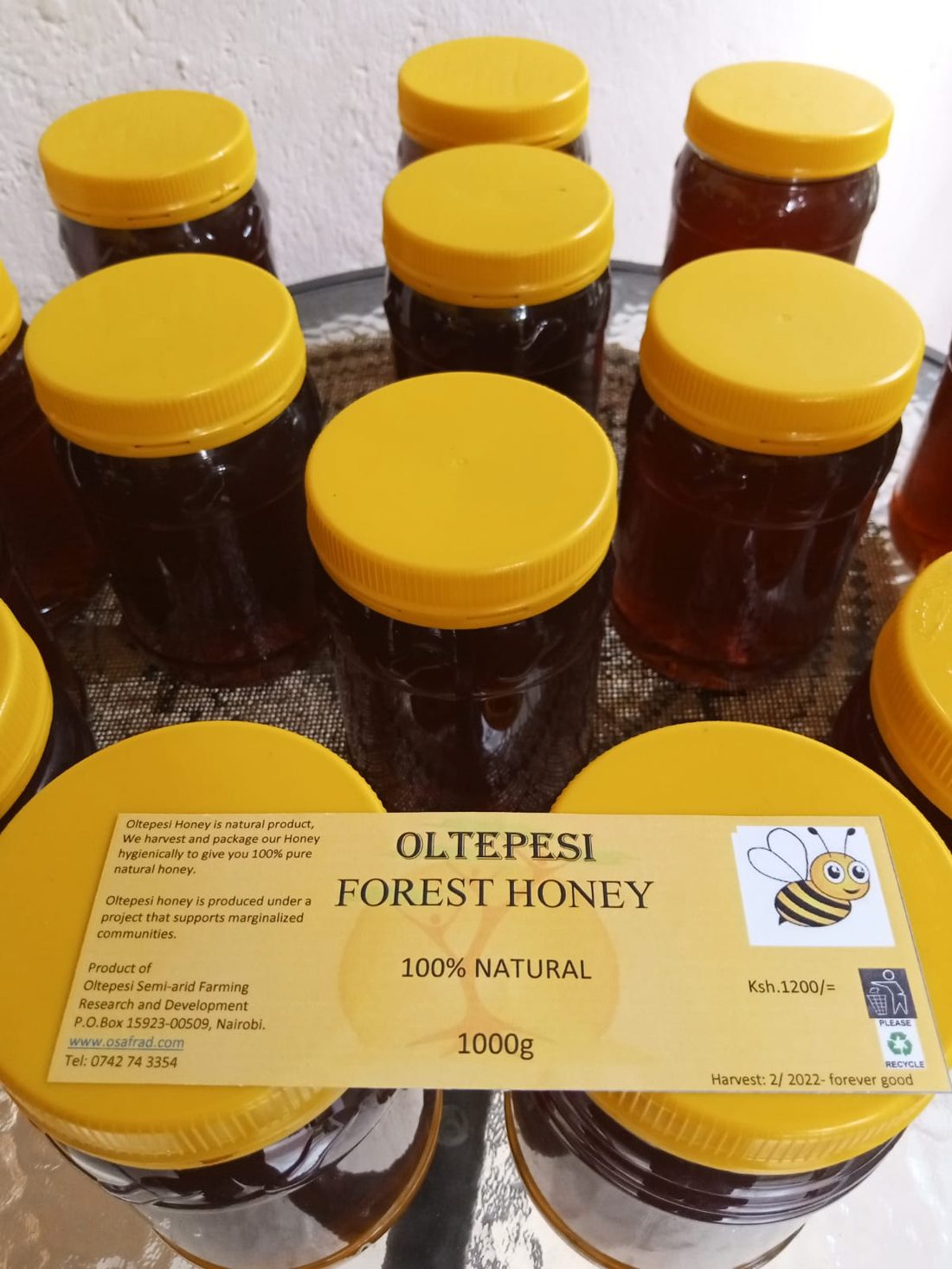
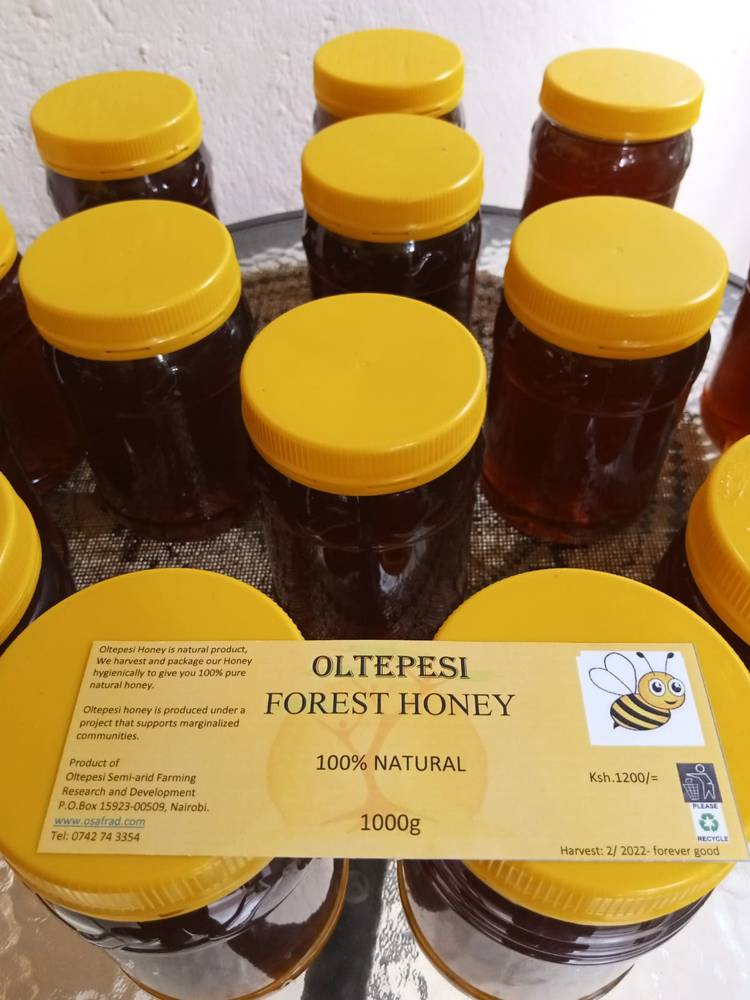
Oltepesi Forest Honey
100% pure, natural forest honey harvested and packaged hygienically at our Oltepesi farm. Our bees forage from the indigenous acacia trees and wildflowers of the Rift Valley — producing a rich, aromatic honey with deep complexity.
Every jar of Oltepesi honey is produced under the OSAFRAD project that directly supports marginalised farming communities. Harvest: 2/2022 — forever good.
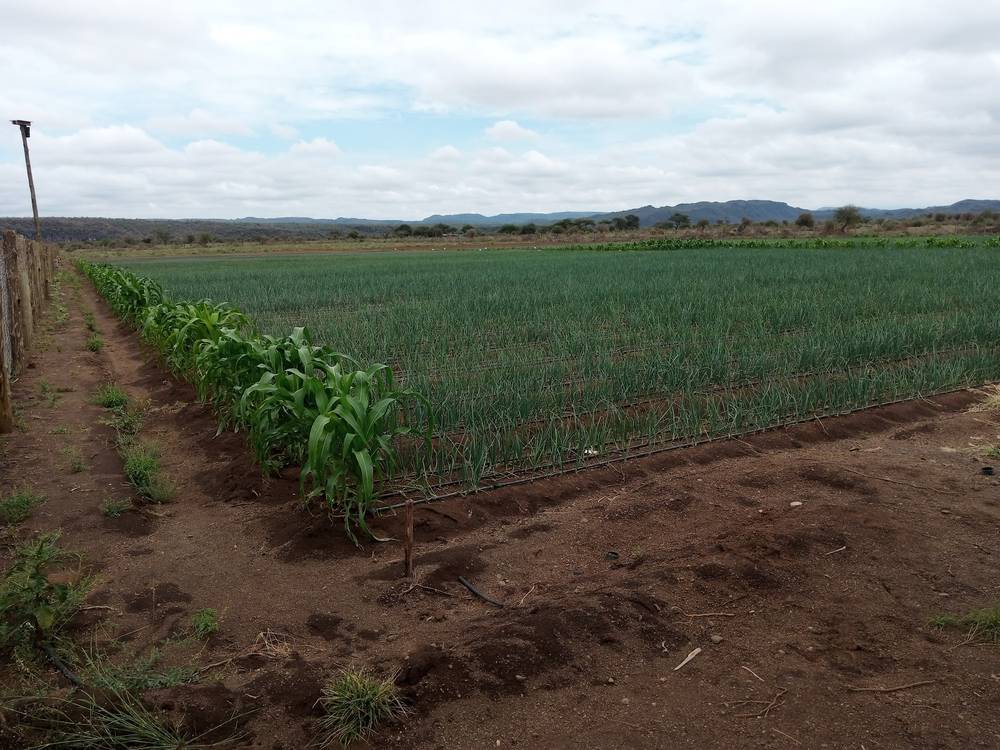
Our drip-irrigated fields produce high-quality onions, maize, and seasonal vegetables grown in the fertile volcanic soils of Oltepesi — all without harmful pesticides, harvested at peak freshness.
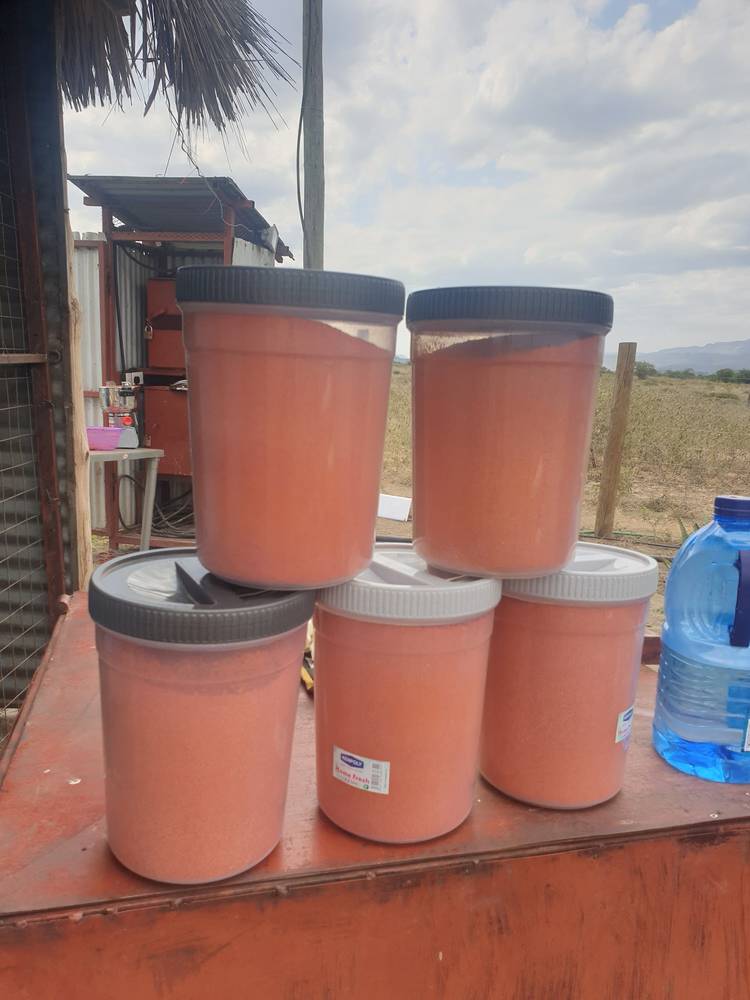
Sun-dried red chillies are also available in bulk. Contact us for current stock and pricing on any crop.
OnionsMaizeRed ChilliesSeasonal vegetablesBulk available
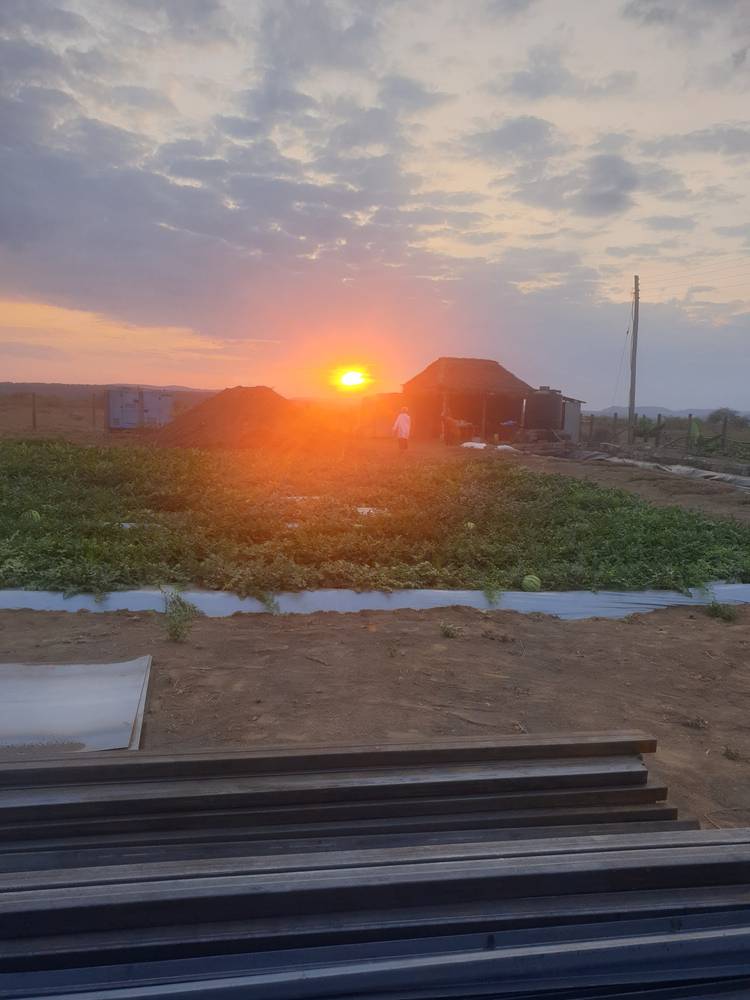
Our farm produces fresh, naturally sweet watermelon juice and other seasonal fruit and vegetable juices, pressed and packaged at the Oltepesi facility. No artificial colours, flavours, or preservatives — just pure flavour from fruit grown in our irrigated fields.
Our on-site nursery produces seedlings of multiple crop varieties under careful controlled conditions. All seedlings are raised from certified seed, monitored through germination, and available for purchase by local farmers and commercial growers.
Our nursery team can advise on the best varieties for semi-arid conditions, planting windows, and irrigation requirements specific to your farm.
When a family can grow nutritious food consistently, the effects ripple outward through income, health, education, and the resilience of the whole community.
The Evidence
Numbers from the ground
Our impact is measured in real outcomes on real farms — from active monitoring across 30 acres of research land and farmer partnerships across Kajiado County.
These aren't projections. They are the result of sustained, practical work in one of Kenya's most challenging agricultural environments.
3.2×
average yield increase
30
acres monitored
200+
farmers trained
12
varieties in trial
Four Domains of Change
How impact compounds
Economic Empowerment
3.2×
Average yield increase
Better yields, better lives
Improved yields translate directly into better incomes. Families gain access to education, healthcare, and essential services. Gender-inclusive programs address both productivity and financial agency for women, who bear much of the agricultural workload.
Food Security
200+
Farming households supported
Consistent harvests, less hunger
Sustainable practices enhance household food security. When families can grow nutritious crops consistently, malnutrition decreases. Community seed banks preserve local varieties and ensure knowledge passes between generations — making food security durable.
Climate Resilience
30
Acres under research
Farming that handles uncertainty
Our practices focus on carbon sequestration and climate-resilient crop varieties. Agroecological approaches — including beekeeping, agroforestry, and soil restoration — contribute to ecosystem resilience across the greater Rift Valley region.
Water Management
12
Varieties under field trial
Every drop working harder
Gravity-fed elevated water tanks and precision drip irrigation deliver water exactly where it is needed. By restoring degraded landscapes, we prevent soil erosion and enhance water availability for farms and the wider ecosystem.
From the Field
What people say
"
It is a dry area but so fertile — when you have water, irrigation is so suitable here. The results speak for themselves.
Farmer, Tinga Town
"
It's paradise on earth. The land of milk and honey — if you know what you're doing with it. OSAFRAD showed us what's possible.
Community member, Oltepesi
"
We at Finetoh are proud to support OSAFRAD with equipment. The work here is an example the rest of Kenya should follow.
Finetoh Equipment, Partner
Measure the Impact With Us
Follow the outcomes your support makes possible, season after season.
Want to be part of these outcomes?
Sponsors, donors, and partners help extend this impact across more farms, families, and communities.
Photo Gallery
Life and work at OSAFRAD
Photos from the field — irrigation, harvests, seedlings, beekeeping, and the landscapes of Oltepesi, Kajiado County.
From Oltepesi
The farm in pictures
Every photograph below was taken at the OSAFRAD facility and surrounding farms in Tinga town, Oltepesi. These images document the real work of turning semi-arid land into productive, community-sustaining agriculture.
Onion rows under drip irrigation · Rift Valley mountains beyond
Mixed crop cultivation · onions and maize
Installing drip irrigation lines · community workers
OSAFRAD water tower and farm sign · Tinga Town
OSAFRAD grounds · lush garden and plains view
Sun-dried red chillies · harvest season
Preparing seedling trays under the nursery shelter
Seedling nursery · multiple crop varieties under development
Installing log beehives in acacia trees · farm entrance
Oltepesi Forest Honey · 100% natural · 1000g
Freshly pressed farm juices · Oltepesi produce
OSAFRAD team member · Oltepesi field operations
More From the Farm
Get new gallery updates and behind-the-scenes photos from Oltepesi.
Visit the farm.
Experience Oltepesi in person. We welcome researchers, partners, and visitors to the OSAFRAD facility in Tinga town.
Get Involved
Join us in transforming Oltepesi
We believe Oltepesi's story can inspire similar initiatives worldwide. We invite sponsors, donors, and partners to be part of this journey.
Going Global
An international model for resilient farming
OSAFRAD is more than a local initiative. We see Oltepesi as a proof of concept — demonstrating that semi-arid land, given the right research, tools, and community investment, can become genuinely productive.
Together with the right partners, this model can be replicated across Kenya's ASAL regions and beyond — contributing to food security and rural economic development at continental scale.
Yield increase your support enables farmers to achieve
200+
Farming households that benefit from training programs
30
Acres of semi-arid land currently under research
∞
Potential for replication across Kenya's ASAL regions
Sponsors
Invest in sustainable agriculture and community development. Sponsorship funds research infrastructure, equipment, and long-term field monitoring — with your organisation recognised as a key partner.
Support research, training, and capacity-building. Donations fund farmer training programs, community seed banks, and mobile tools that put real-time knowledge in farmers' hands at the right moment.
Collaborate on projects, share expertise, and amplify impact. We welcome research institutions, NGOs, agri-tech companies, equipment providers, and government bodies ready to bring knowledge to Oltepesi.
We respond to all enquiries personally. Whether you're a large institutional funder or an individual wanting to contribute — reach out and let's talk about what's possible.
Stay informed about partnership, sponsorship, and donation opportunities.
Not sure where to start?
Come and see the work in person. We welcome visits and can arrange guided tours of our research sites.
Contact & Find Us
We're in the field. Come find us.
OSAFRAD — Oltepesi Semi-Arid Farming Research and Development — operates year-round from Tinga town, Oltepesi. We welcome visitors, researchers, and prospective partners — call ahead and we'll be ready for you.
Take Lang'ata Road to Bomas of Kenya, then turn onto Magadi Road heading southwest. Continue through Ongata Rongai and Kiserian toward Oltepesi. Total drive time approximately 1.5 hours. The facility is signposted in Tinga town.
From Kiserian
~35 km southwest
Continue southwest from Kiserian along Magadi Road, past Corner Baridi and Kisamis. OSAFRAD is well known locally — ask any resident for directions to the facility in Tinga town.
By Air
Nearest: Magadi Airstrip
Charter flights from Wilson Airport, Nairobi can land at Magadi Airstrip, with onward road transfer to the facility. Contact us in advance and we can coordinate ground transport.
Common Questions
Frequently asked questions
Can I buy honey, vegetables, or seedlings in bulk?
Yes. Call or email us with the product and quantity you're after and we'll confirm current stock and pricing — see the Products page for what's typically available.
Do you offer farm visits or guided tours?
Yes, we welcome visitors, researchers, and prospective partners. Call ahead so we can arrange a guided tour of our research sites and have someone ready for you.
Is OSAFRAD a registered organisation?
Yes. OSAFRAD is a registered Community-Based Organization under Kenya's Department of Social Development.
How can my organisation sponsor, donate, or partner with OSAFRAD?
Visit the Get Involved page for sponsorship, donation, and partnership options, or send a message here with what you have in mind — we respond personally to every enquiry.
I'm not a large institution — can I still get involved?
Yes. We hear from large institutional funders and individuals wanting to contribute alike — reach out and let's talk about what's possible for you.
Send a Message
We respond to all enquiries personally
Questions about research, arranging a visit, or exploring a partnership — send a message and we'll get back to you promptly. For urgent matters, calling is the fastest route.